The Food Waste to Energy Campaign: A Youth Initiative
by Alexandra Kanterezhi-Gatto | 16 October 2026
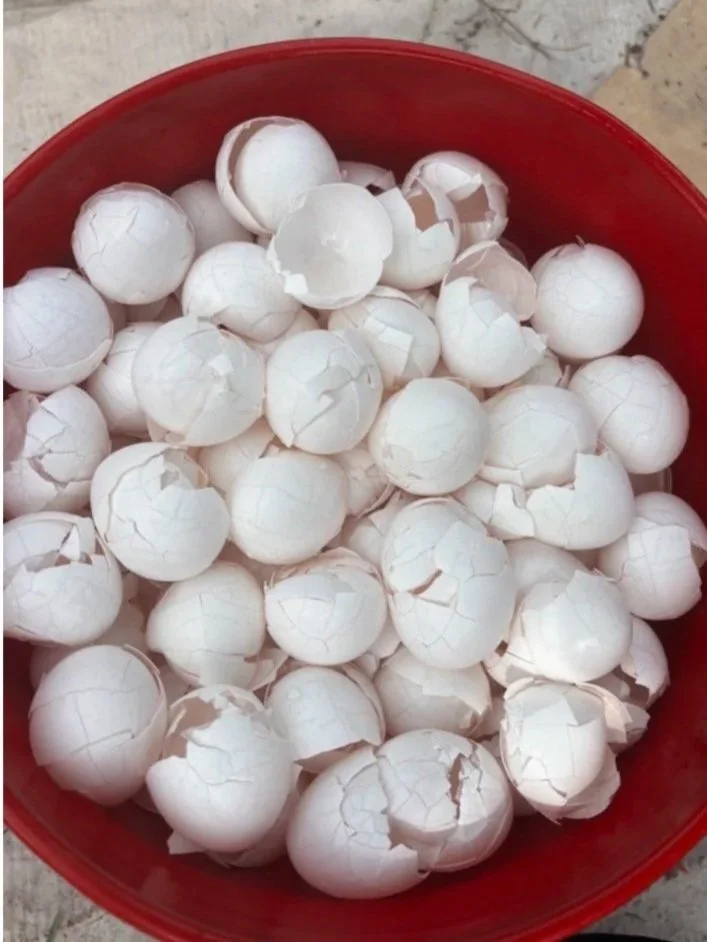
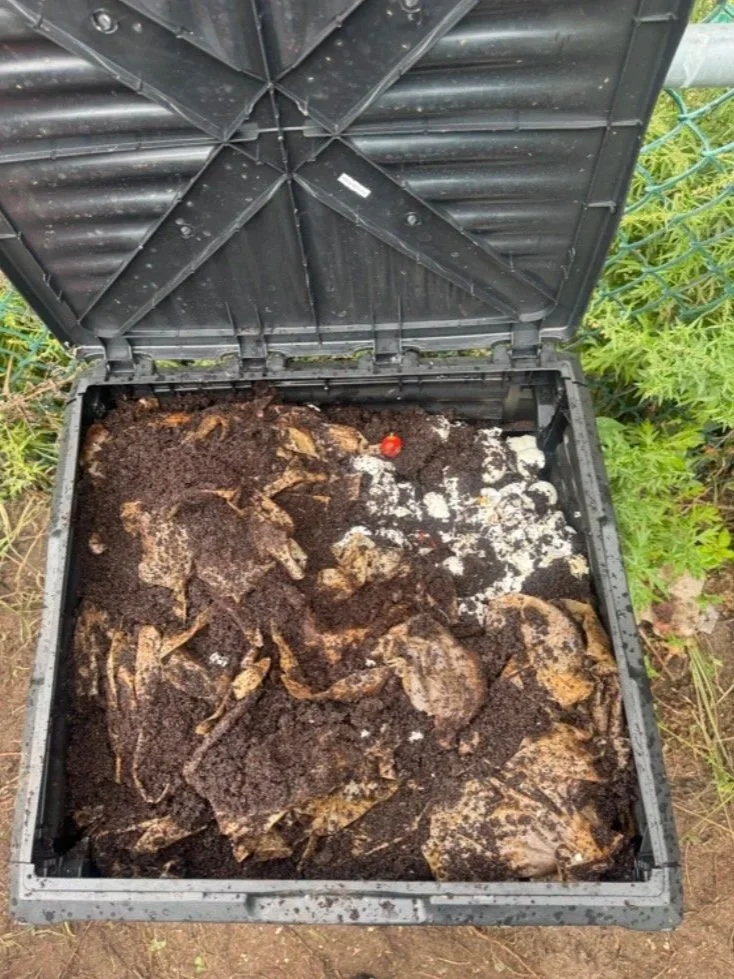
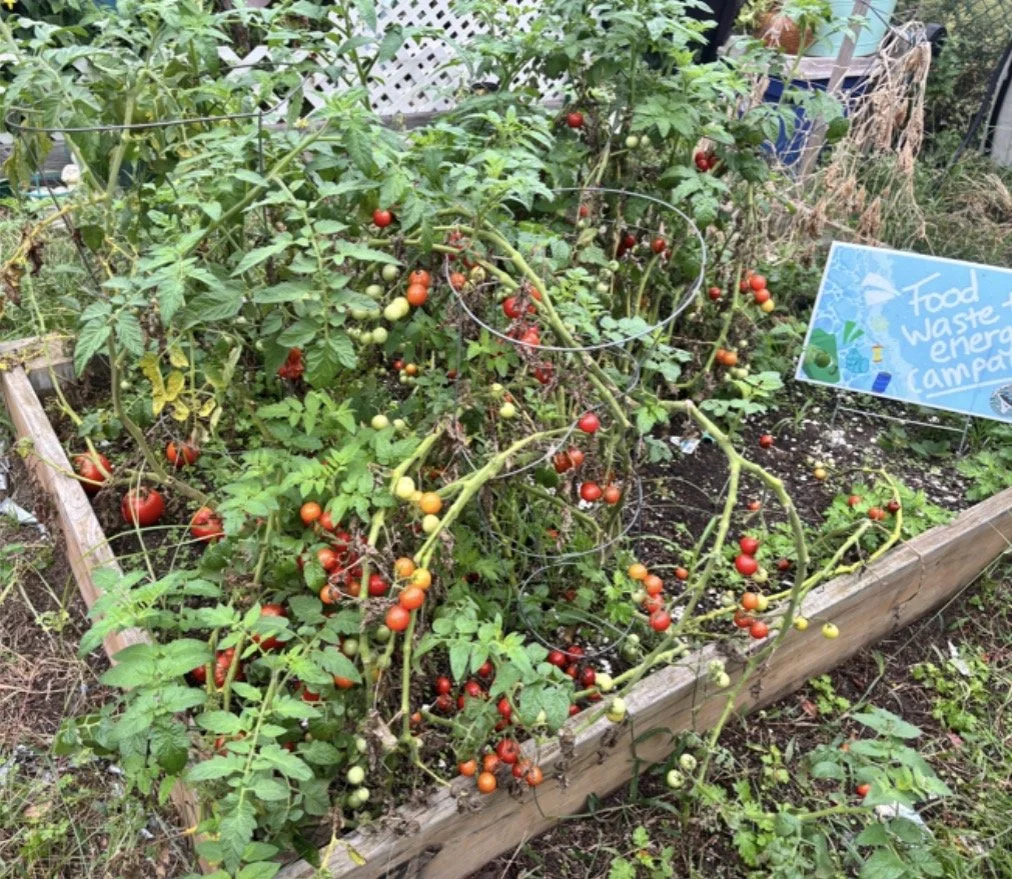
Approximately 18.3 million households, or 13.7 percent of all households in the United States are considered food insecure and cannot regularly afford fresh fruits and vegetables. Roughly 60 percent of the food in landfills is considered unused food waste from restaurants. The Food Waste to Energy Campaign is an effort to reduce food insecurity levels across households in the country while reducing the amount of food that ends up in landfills and in the ocean in the process. This campaign deals with the partnership of restaurants that participate in the program by transporting their food waste to our organization, which will organically convert it into compost. This natural compost will then be utilized to fresh fruits and vegetables for our local community. Produce is then given to the People’s Pantry in Toms River working alongside the local food bank, Fullfill to be utilized in JBJ Soul Kitchen, a nonprofit community restaurant. Through community partnership and collaboration, the Food Waste to Energy Campaign continues to be a campaign that paves a way for local food waste to become usable energy.
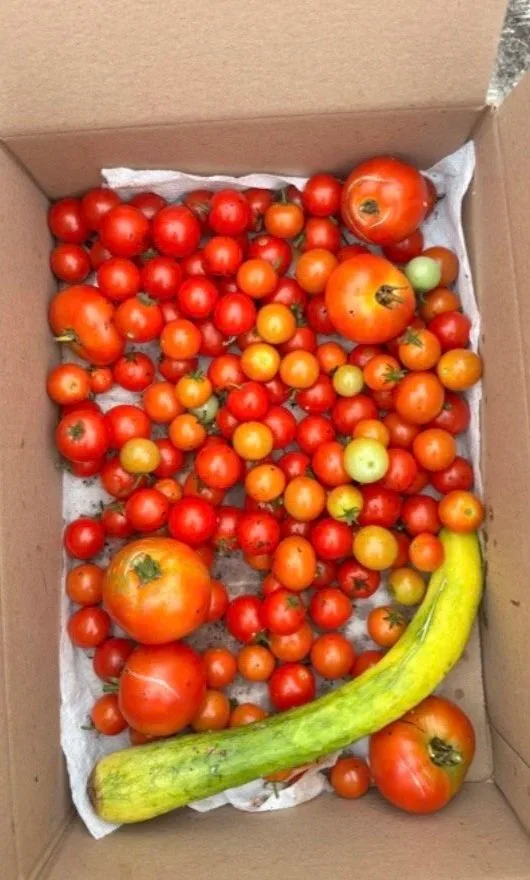
My name is Alexandra Kanterezhi-Gatto and I am a junior at the Marine Academy of Technology and Environmental Science (MATES). I founded this community campaign seven months ago the day I walked into my mom’s workplace, the Board of Social Services. I had gone there previous days but this time was different. I saw children of all ages with almost nothing coming in and out of the building and I knew that change needed to happen, so I talked to some of my friends and they helped this idea become an initiative. Some of the most memorable people who have been involved with this campaign include Melanie Haug, Mehjabin Majid, Tia Thomas, Yarenis De Jesus, Audrina Hango, Josephine O’Brien, and Jolene Lyszczak.
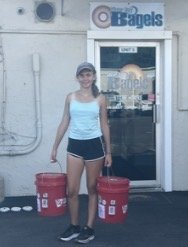
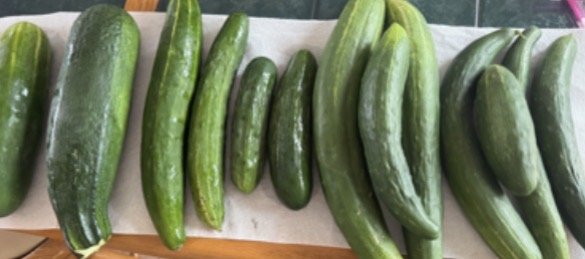
Up to this point we have been able to establish a community garden to work at, our very own local Riverwood Garden, create a partnership with a local bagel shop, Silver Bay Bagels, and recently we have formed a connection to Fullfill who has been a major supporter of the campaign and the produce it has offered. According to our most recent records as of 29 September 2026, we have reduced 210 lbs of food waste with the help of Silver Bay Bagels, grown 45 lbs of fruits and vegetables at the Riverwood Community Garden, and provided 35 meals to food insecure residents through the People’s Pantry. And this is just the beginning.
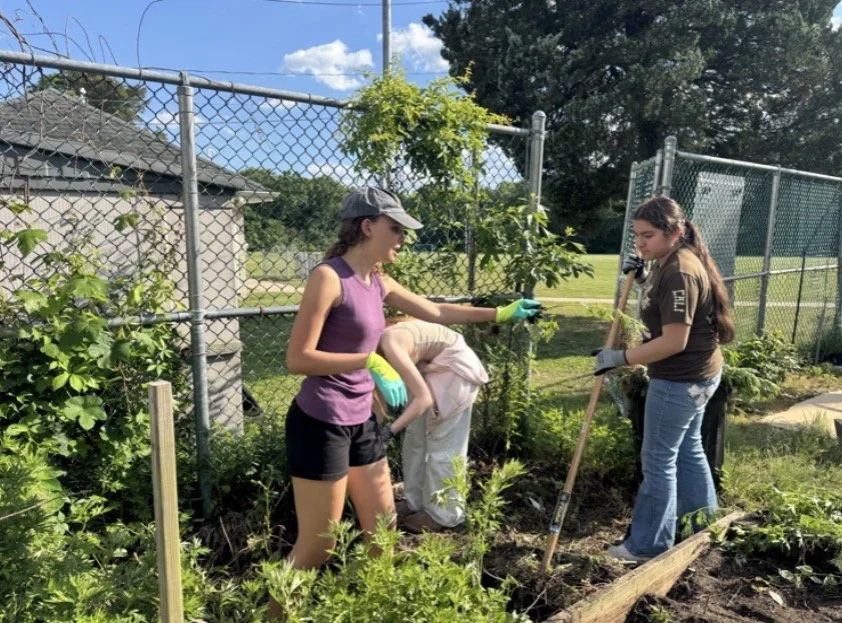
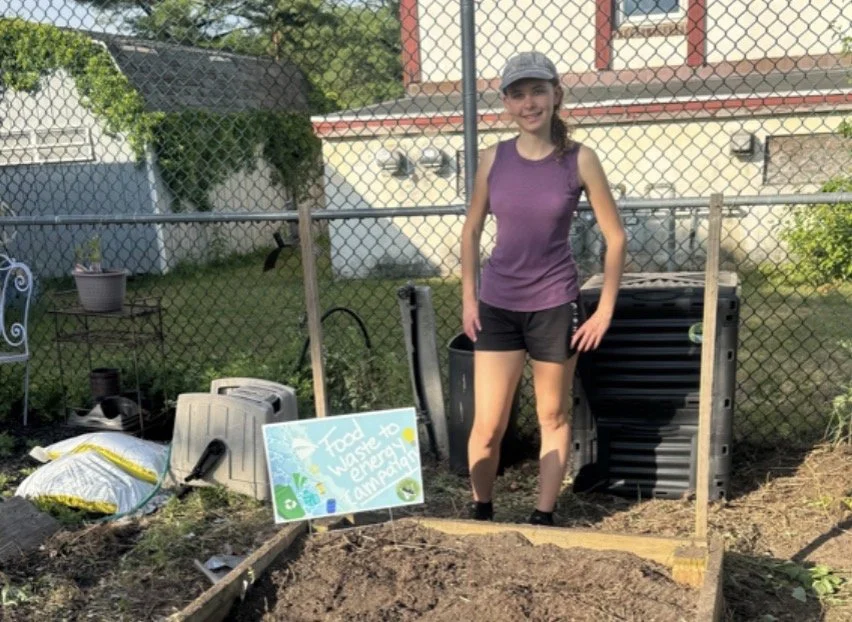
This experience has taught me that youth don’t need to wait to make a true difference in the environment or in their community; they can start when they feel there is something worth changing. At first, I never thought I’d be able to get to where I am: running a campaign that has made a genuine difference in people's lives. To see the people that I at first sympathized with while visiting my mom at her job smile at the sight of the fresh produce we are now able to provide for them is heartwarming.
Not only is food waste an issue of food insecurity for people, but it also has detrimental effects on the natural environment. Eutrophication, the process of excess nutrients collecting in local water bodies and leading to algal blooms that deplete oxygen from the water, has been a harmful effect of food waste build up in oceans. It has led to ecological imbalance and alterations to our food web. This process is further exacerbated by the use of artificial fertilizers on our lawns and crops, thus contributing more excess nutrients to the environment. Additionally, when food waste breaks down in landfills, the organic material has limited access to oxygen, causing it to decompose in a way that releases methane, a greenhouse gas, into the atmosphere, contributing to global warming. Our campaign has not only made an impact on the human community, but also for our environment by reducing the amount of food decomposing in landfills and curbing the need for artificial fertilizer, as when food waste can be used as compost, fertilizers aren’t required to produce flowering, healthy plants. Composting food waste into usable material or “energy” is a benefit not only to our oceans and ecosystems but to our plants and their health.
Every aspect of this campaign could not have been achieved without our partnerships, member support, and, most importantly, community involvement. Thank you to everyone who has made this initiative possible. We hope to continue to create an impactful difference in our local communities and to one day turn all Food Waste into Energy!