
Living Shoreline Restoration Project
The Lighthouse Center is located along the western shoreline of Barnegat Bay, and encompasses 194 acres of diverse coastal habitats, such as maritime forest, mudflats, lagoons, fields, salt marshes, and a small artesian spring. The Lighthouse Center’s considerable marsh and shoreline has suffered extensive degradation over the past 50 years, predominantly due to historic mosquito control practices, sea level rise, significant climatic and storm surge events, and chronic boat wake action. During most recent times, the rate of degradation has increased. Along portions of the shoreline, the rate of shoreline loss since 1995 has averaged approximately 4 feet per year. The degradation and loss of shoreline and marsh has also increased the Lighthouse Center’s vulnerability to severe storm events. The solution to this complex problem is the rejuvenation and re-establishment of resiliency to the unique ecological features of the land surrounding the Lighthouse Center, increased protection of the Lighthouse Center’s facilities, and support NREF’s continued purpose of environmental outreach, education, and research.
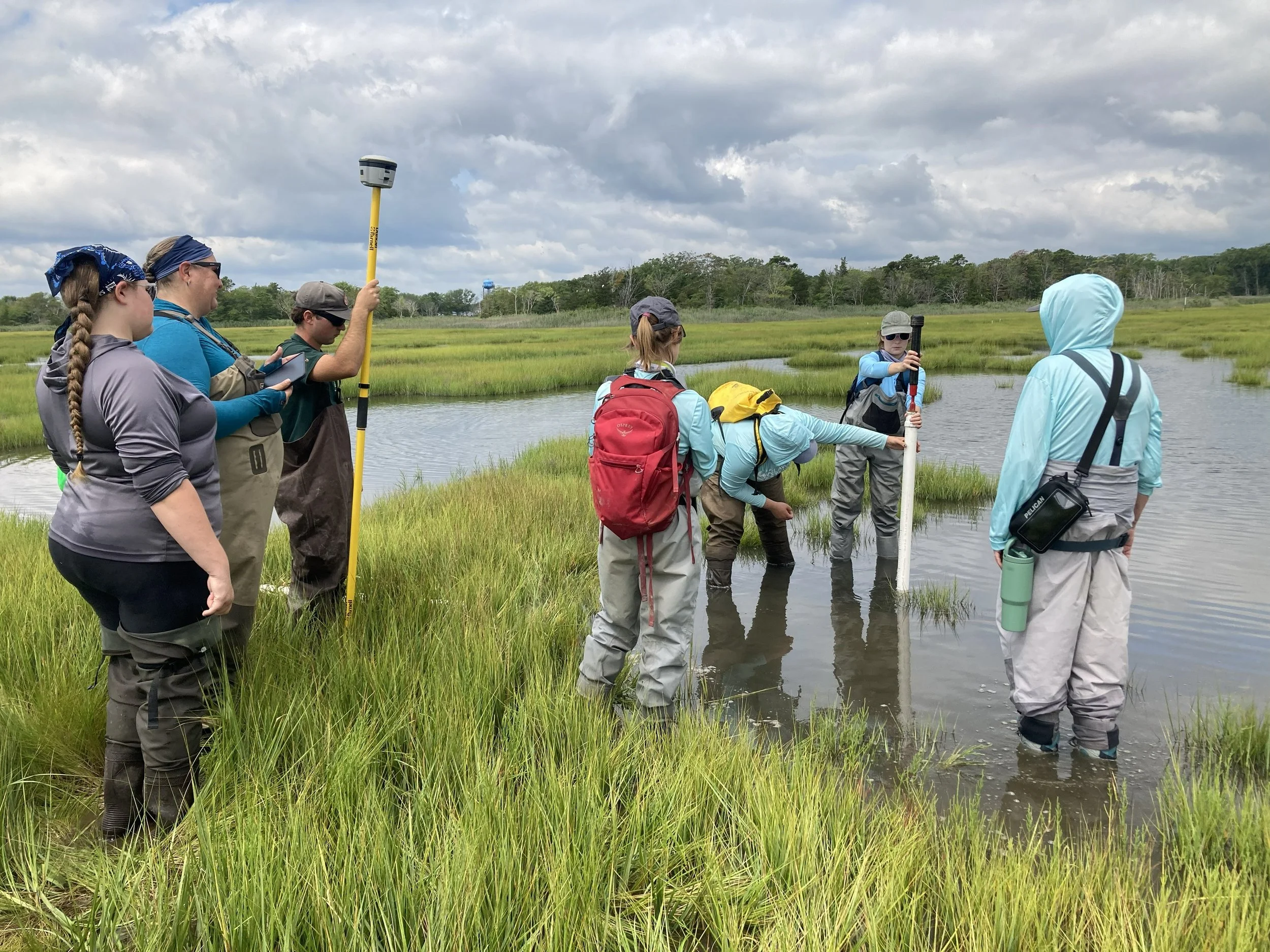
This project involves site assessments are continually conducted to evaluate key marsh health metrics such as vegetation, fauna, sediment, elevation, and water level. From these data, our team develops and implements designs for interior marsh restoration and marsh elevation through the reuse of local dredge material and restoring natural marsh hydrology with low-cost, low-technology methods.
In September of 2025, scientists from NREF worked with partners at the US Fish & Wildlife Service and the Nature Conservancy to survey submerged aquatic vegetation (SAV) along the shore of the Lighthouse Center salt marsh. By evaluating SAV patch presence and densities in the study area, we can figure out if the area is an optimal site for sediment deposition and determine the best methods for restoring the shoreline.
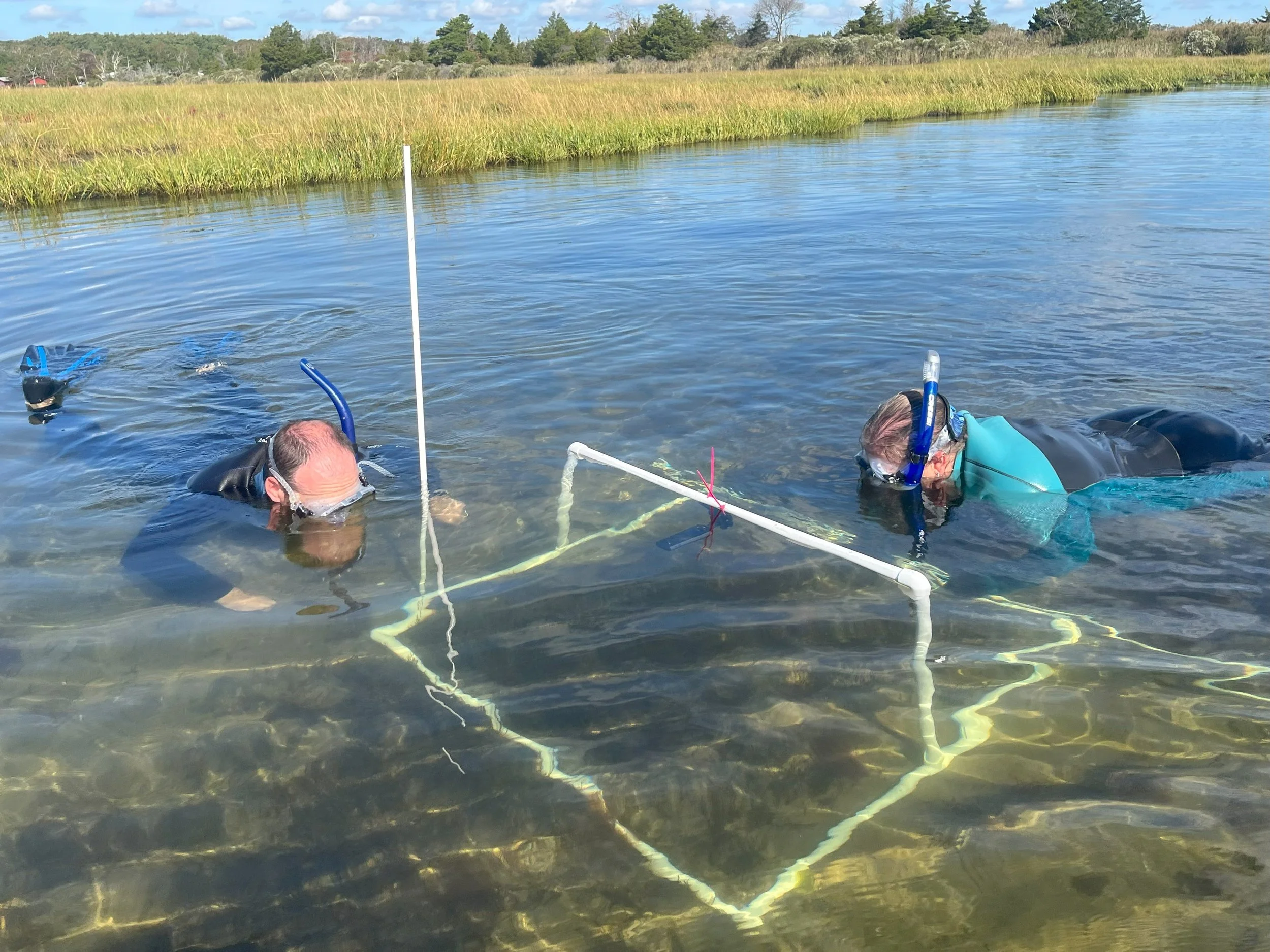
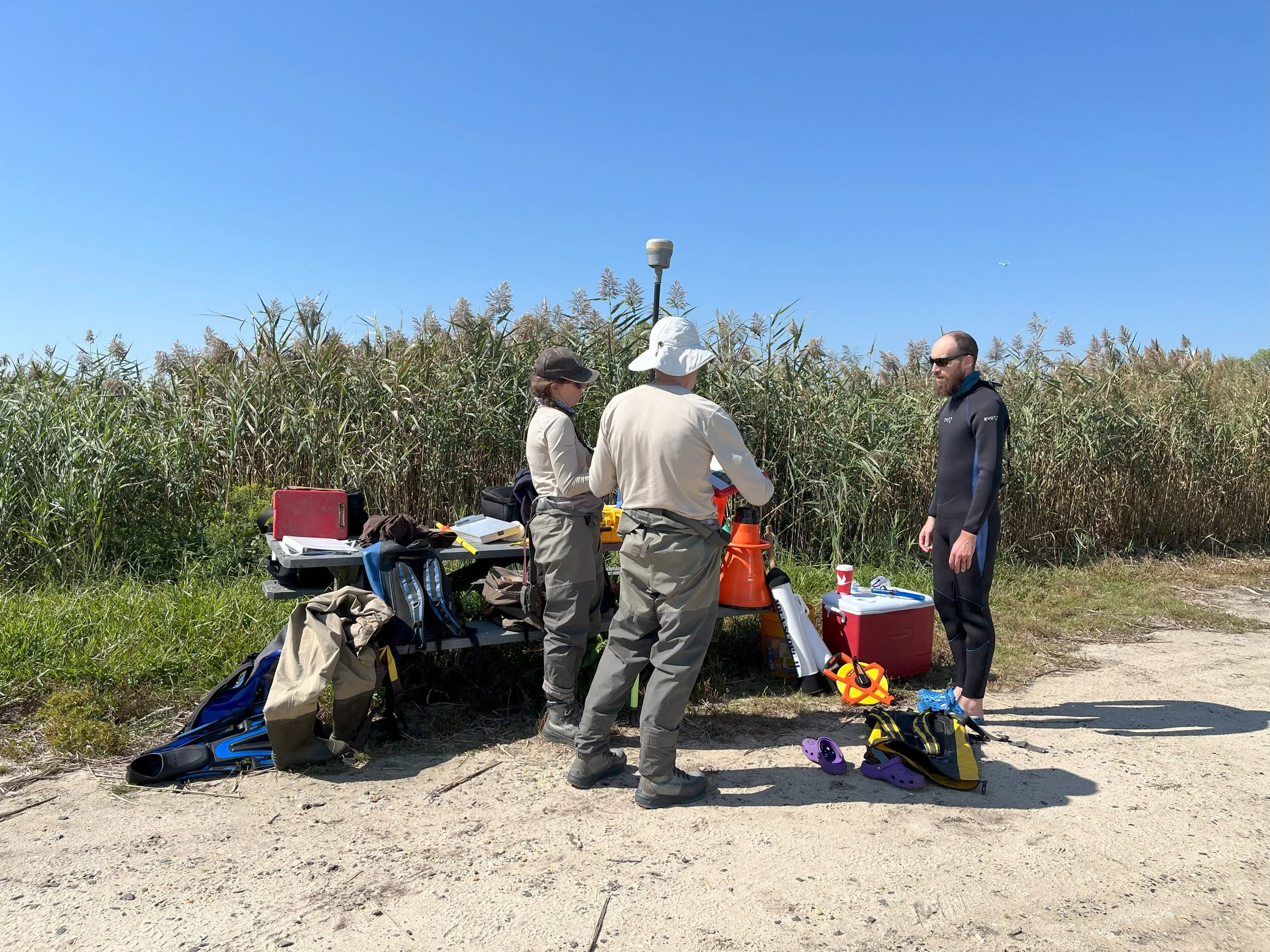
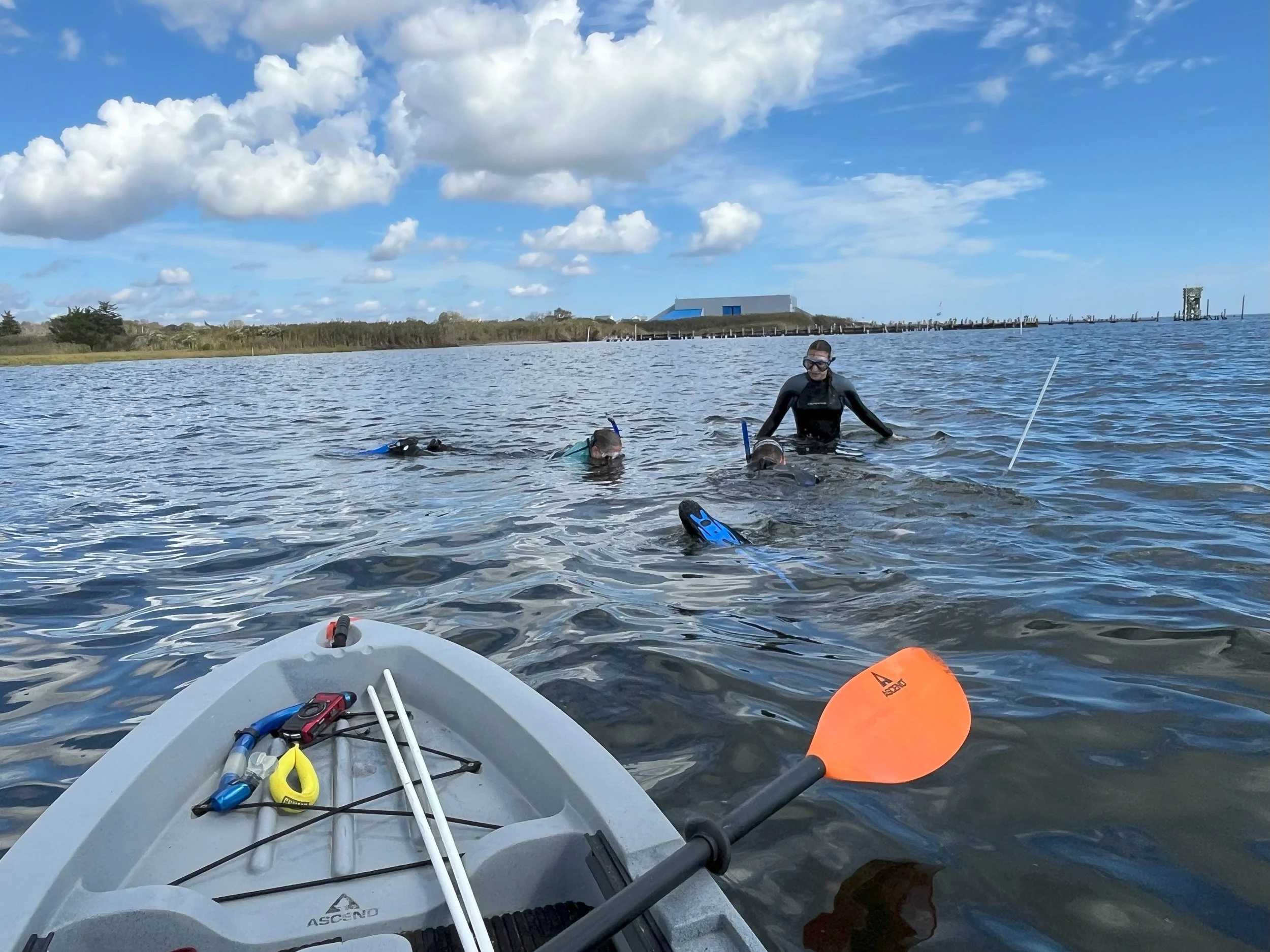
In July of 2026, scientists from NREF, the Nature Conservancy, and the Partnership for the Delaware Estuary took to the salt marsh to perform vegetation surveys that will inform the decision-making processes involved in this restoration project.
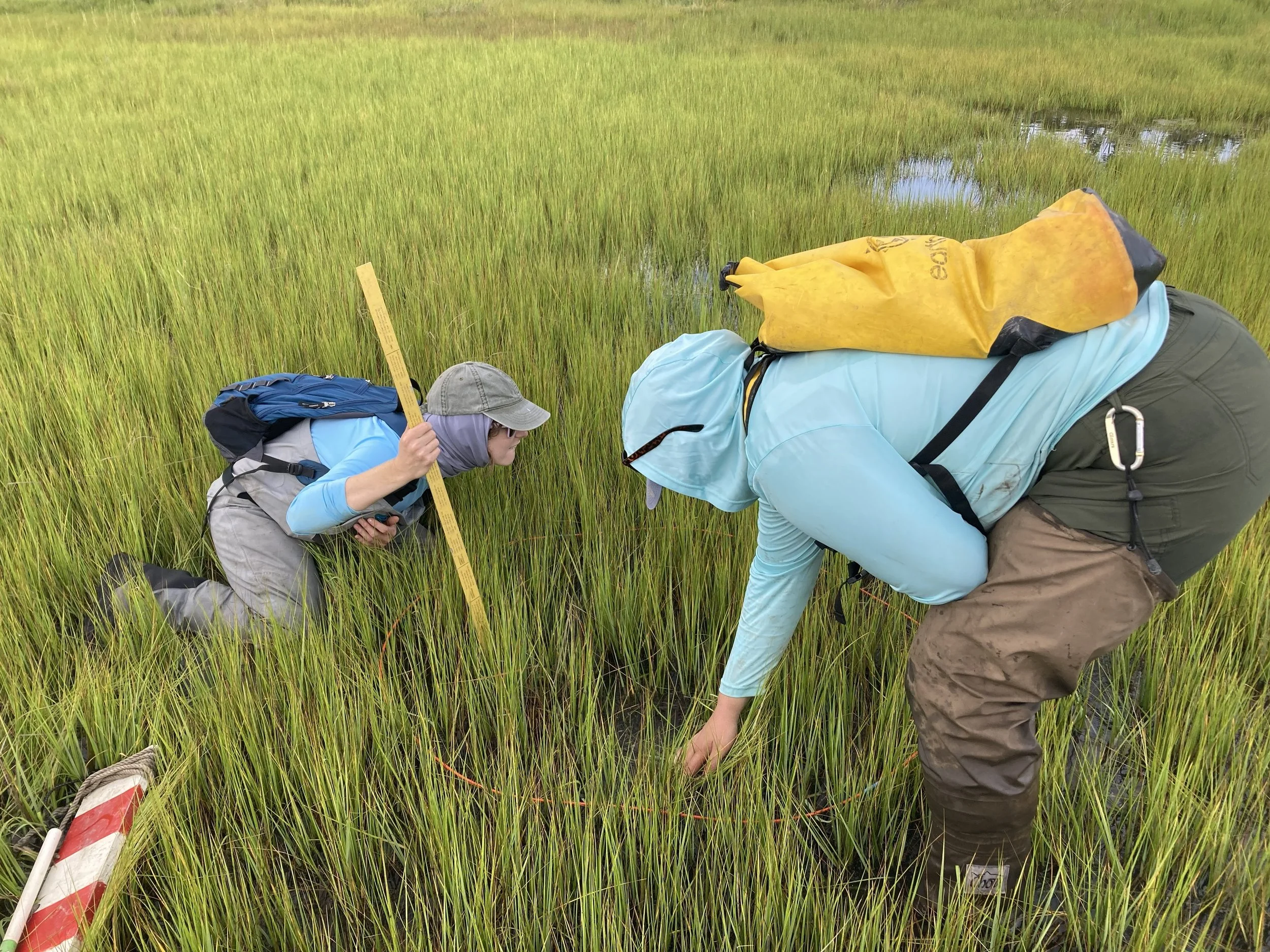
Partners and Sponsors: The Nature Conservancy; The New Jersey Department of Environmental Protection; Barnegat Bay Partnership; Marine Academy of Technology & Environmental Science; Save Barnegat Bay; Drexel University; Sovereign Consulting; Partnership for the Delaware Estuary.
